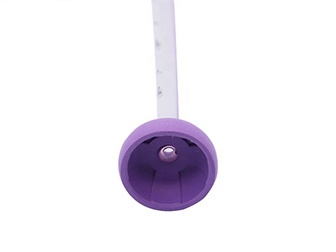
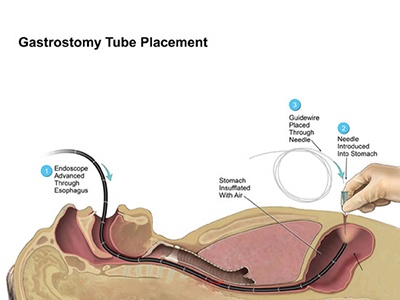
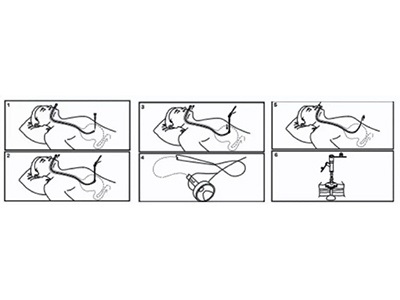
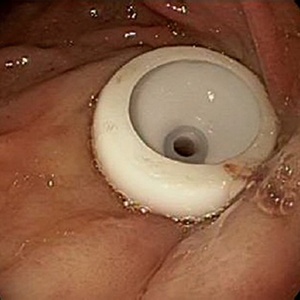
The Endoscopic Gastrostomy (PEG) Kit is intended used for oral feeding difficulties, but gastrointestinal function is normal, the need for long-term nutritional support, including Neurotic coma, anorexia, Alzheimer’s disease. Mainly suitable for Gastrostomy patients. The device mainly composed by gastrostomy tube (including cushion, tube body (marked), line seeker), fixed ring, clip, syringe, two injection needles, puncture assembly, scalpel, guide wire, feeding Y joint, 4 gauze blocks (40 × 40 cm) and a hole towel (80 × 60 cm) and other components. Puncture the stomach cavity by a trocar through the abdominal wall with the endoscope, then put the guide wire in, which is inserted to guide the gastrostomy tube to enter the stomach cavity through the mouth and esophagus, thus forming the gastrostomy.
100% Medical Grade Silicone
Technical and Functional Features
- Minimizing trauma during surgery.
- Made of 100% medical grade silicone, the tube is soft & clear.
- X-ray opaque line through the whole tube.
- The balloon is glued to the main tube both inside and outside, it is elastic and flexible.
- Fully equipped, easily operated.
- Good bio-compatibility.
- Y Type locking joint, no leakage.
- The size from 12Fr to 24Fr, color code for distinguish different size.
Indication for Use
Patient Evaluation: Before proceeding with the insertion of a PEG tube, a thorough assessment of the patient’s medical condition, nutritional status, and ability to tolerate the procedure is conducted. This evaluation helps determine whether PEG tube placement is appropriate for the patient.
Preparation: The patient is typically placed under conscious sedation or general anesthesia to minimize discomfort during the procedure. The abdomen is cleaned and sterilized to reduce the risk of infection.
Endoscopic Procedure: Using an endoscope, a flexible tube with a camera and light at its tip, the gastroenterologist or surgeon guides the PEG tube into the stomach through a small incision made in the abdomen. The endoscope allows for visualization of the internal structures, ensuring accurate placement of the tube.
Insertion of the PEG Tube: Once the endoscope reaches the stomach, a specialized needle is passed through the abdominal wall under endoscopic guidance. This needle is used to puncture the stomach wall from the inside out. A guide wire is then threaded through the needle and grasped from outside the body. The needle is withdrawn, leaving the guide wire in place.
Dilation and Tube Placement: The PEG tube, a flexible feeding tube with a bumper or balloon at its tip to hold it in place, is passed over the guide wire and into the stomach. The diameter of the incision may need to be dilated to accommodate the tube.
Securing the Tube: Once the PEG tube is in place, the bumper or balloon is inflated inside the stomach to prevent the tube from slipping out. The external portion of the tube is secured to the abdominal wall with adhesive dressings or sutures.
Post-procedure Care: After the PEG tube placement, the patient is monitored for any signs of complications such as bleeding, infection, or tube dislodgement. Instructions are provided on how to use and care for the PEG tube, including feeding techniques, medication administration, and maintenance of tube hygiene.
Placing the Percutaneous Endoscopic Gastrostomy Enfit PEG Kit helps with acute and chronic conditions that are associated with a risk of dysphagia and malnutrition:
Safety data supports early feeding (3-6 hours) after PEG insertion, which also reduces costs and shortens hospital stays. PEG problems are rare and can usually be prevented with the right nursing care.
Precautions/Observations
Keep the probe fixed with the built-in silicone ring to prevent migration of the probe.
Storage temperature: 0℃-60℃
Storage humidity: 10%~90%