Product Introduction
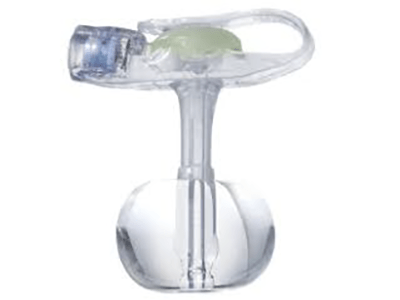
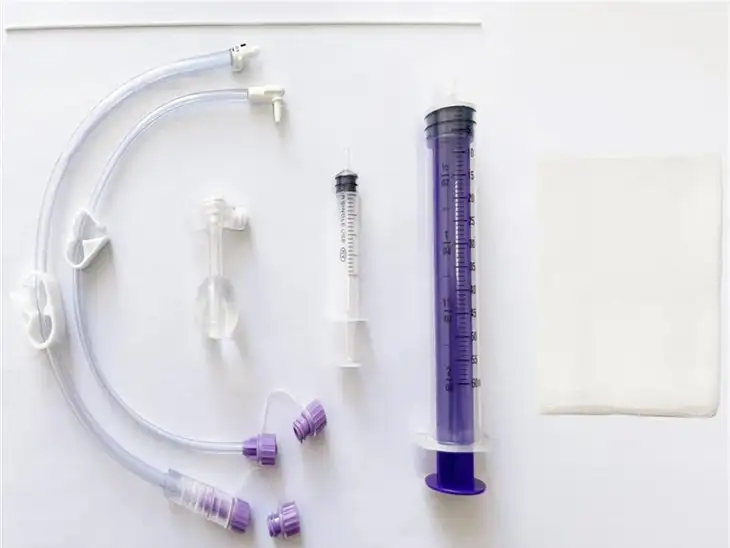
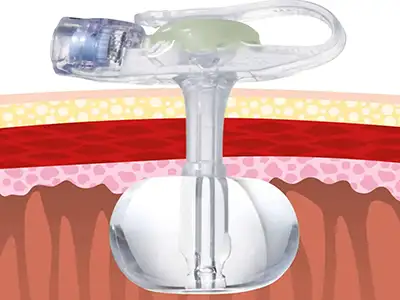
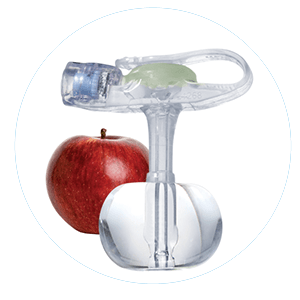
A gastrostomy tube, often abbreviated as a G-tube, is a medical device surgically inserted into the stomach through the abdominal wall. This tube serves as a conduit for delivering nutrition, fluids, and medications directly into the stomach, bypassing the mouth and esophagus. Gastrostomy tubes are commonly used in patients who are unable to consume food orally due to medical conditions such as dysphagia, neurological disorders, or severe illness. They provide a safe and effective means of ensuring adequate nutrition and hydration for individuals who cannot meet their nutritional needs orally.
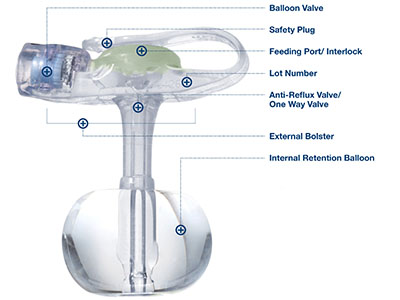
Specifications Table of Balloon Mini Button

12Fr, 14Fr, 16Fr, 18Fr, 20Fr, 22Fr, 24Fr
Indications
Enteral Nutrition: Gastrostomy tubes are often used for patients who cannot consume adequate nutrition orally due to conditions such as dysphagia, neurological disorders, or severe illness.
Fluid and Medication Administration: G-tubes allow for the administration of fluids, medications, and supplements directly into the stomach, bypassing the oral route.
Long-Term Feeding: Patients who require long-term enteral feeding may benefit from the convenience and stability provided by a gastrostomy tube and its associated button set.
Aspiration Risk: Gastrostomy tubes may be indicated for patients at risk of aspiration pneumonia, as they reduce the likelihood of fluids or food entering the lungs.
Connector Type
Standard/ENFIT
Precautions
Infection Risk: Proper hygiene and sterile technique are essential during the insertion and care of gastrostomy tubes and button sets to minimize the risk of infection.
Tube Dislodgement: Caregivers should be trained to secure the gastrostomy tube and button set properly to prevent accidental dislodgement, which can lead to complications such as leakage, infection, or tube misplacement.
Skin Care: Regular inspection and care of the skin around the gastrostomy site are crucial to prevent skin irritation, pressure ulcers, and infections.
Feeding Formula: Selection of an appropriate enteral feeding formula and monitoring for tolerance are important considerations to prevent complications such as diarrhea, aspiration, or tube clogging.
Monitoring and Follow-Up: Patients with gastrostomy tubes require regular monitoring by healthcare providers to assess tube function, nutritional status, and overall well-being. Any signs of complications, such as leakage, granulation tissue, or pain, should be promptly evaluated and addressed.
Use
Dysphagia: Difficulty swallowing due to neurological disorders (such as stroke, Parkinson’s disease, or multiple sclerosis), anatomical abnormalities, or injury.
Severe malnutrition: When a patient cannot meet their nutritional needs orally, leading to significant weight loss, malnutrition, or failure to thrive.
Neurological conditions: Including conditions like cerebral palsy, spinal cord injuries, or muscular dystrophy, which can impair the ability to swallow or control oral intake.
Head and neck cancer: Surgery, radiation therapy, or chemotherapy for head and neck cancers may cause swallowing difficulties, necessitating temporary or permanent tube feeding.
Trauma or surgery: Injuries or surgical procedures to the mouth, throat, or esophagus that impair swallowing and require temporary tube feeding for healing.
Progressive degenerative diseases: Such as Alzheimer’s disease or amyotrophic lateral sclerosis (ALS), where swallowing difficulties worsen over time, necessitating long-term tube feeding.
Congenital abnormalities: Infants born with congenital conditions affecting the esophagus or gastrointestinal tract may require G tubes for feeding.
Palliative care: In terminally ill patients or those with end-stage diseases, G tubes may be used to provide nutrition and hydration to improve comfort and quality of life.
Advantages
Nutritional support: G tubes provide a reliable means of delivering essential nutrients, fluids, and medications directly into the stomach, ensuring adequate nutrition and hydration for patients who cannot eat or drink orally.
Improved comfort: For patients with swallowing difficulties or other conditions that make oral feeding challenging or uncomfortable, G tubes offer a more comfortable alternative for receiving nutrition without the need for swallowing.
Reduced risk of aspiration: By bypassing the mouth and esophagus, G tubes help reduce the risk of aspiration pneumonia and other complications associated with swallowing difficulties, particularly in patients with neurological disorders or conditions affecting the upper digestive tract.
Long-term feeding: G tubes can be used for both short-term and long-term enteral feeding, providing a stable and sustainable solution for patients who require ongoing nutritional support.
Enhanced quality of life: For patients with chronic conditions or terminal illnesses, G tubes can improve quality of life by allowing them to remain at home or in a care facility while still receiving adequate nutrition and hydration.
Flexibility and versatility: G tubes can accommodate various types of liquid diets, commercial enteral formulas, medications, and water flushes, allowing for individualized feeding regimens tailored to each patient’s needs.
Minimal interference with daily activities: With proper care and maintenance, G tubes can be discreet and relatively inconspicuous, allowing patients to engage in normal daily activities without significant disruption.
Facilitation of medication administration: G tubes provide a convenient route for administering oral medications to patients who have difficulty swallowing pills or liquid medications orally.