Professional

Technical Specifications
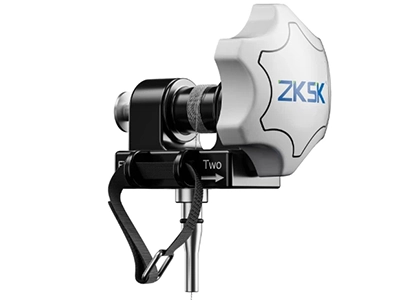
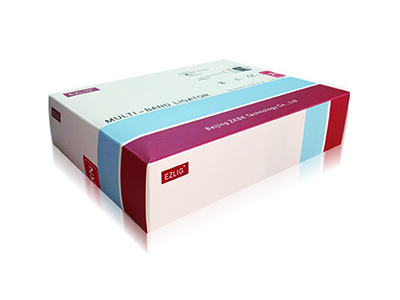
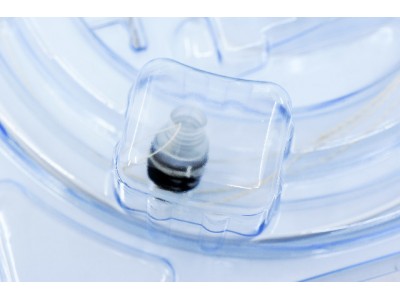
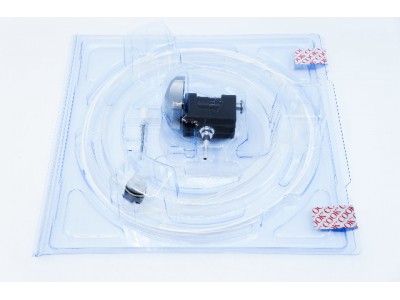
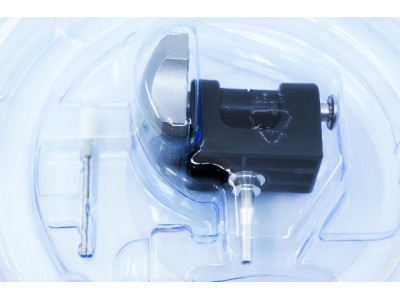
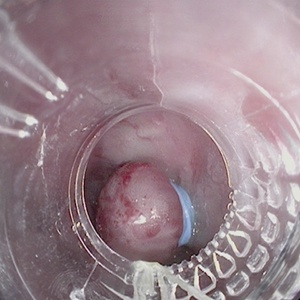
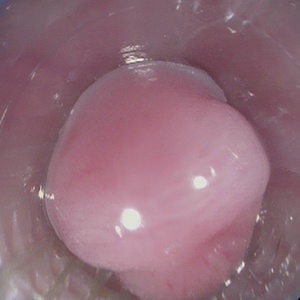
The Single-Use Endoscopic Multi Band Ligator Set features a flexible endoscope-compatible design, allowing for easy insertion and maneuverability during procedures. It is equipped with multiple ligating bands, constructed from biocompatible materials, to ensure secure and effective ligation of target lesions such as esophageal varices or hemorrhoids. The system is sterile and designed for single use, eliminating the need for reprocessing and minimizing the risk of cross-contamination. Its compact and lightweight construction facilitates convenient handling and disposal after use, enhancing procedural efficiency.
Endoscopic Ligator Specifications
| Components name | Materials (mm) |
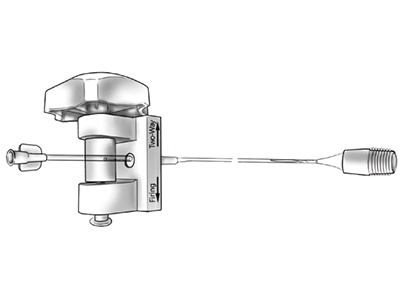
| Trigger Wire | Polyethylene fiber line |
| Shaft and joint | Y12Cr18Ni9 stainless steel |
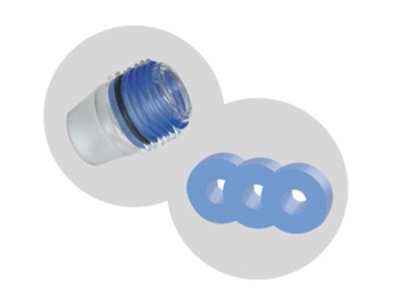
| Loop | Natural rubber |
| Casing tube | Transparent polycarbonate |
| Flush joint | Polyurethane PU |
Intended use
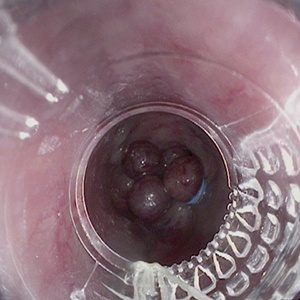
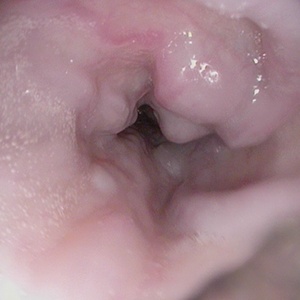
The Single-Use Endoscopic Multi Band Ligator Set is intended for use by healthcare professionals during endoscopic procedures for the ligation of esophageal varices, hemorrhoids, and other gastrointestinal lesions. It is designed for use with compatible flexible endoscopes in hospitals, endoscopy centers, and other medical facilities. Healthcare providers such as gastroenterologists, colorectal surgeons, and endoscopy technicians are the intended users of this device. Its single-use design ensures sterility and simplifies disposal, contributing to patient safety and procedural efficiency.
Indication for Use
Administration of enteral feeding by Gastrostomy
Precautions/Observations
For Patients:
1. Follow all pre-procedural instructions provided by your healthcare provider.
2. Inform your doctor about any allergies or sensitivities to latex or other materials.
3. Be aware of potential risks and complications associated with the procedure, such as bleeding or discomfort.
4. Report any unusual symptoms or concerns to your healthcare provider promptly.
5. Follow post-procedure care instructions carefully to promote healing and minimize complications.
For Doctors:
1. Ensure proper training and competency in endoscopic banding techniques before using the multiband ligator.
2. Carefully inspect the device for any defects or damage before use, and discard if necessary.
3. Select appropriate band sizes and ensure proper placement to minimize the risk of complications.
4. Use caution when manipulating the device to avoid injury to the patient’s tissues.
5. Monitor the patient closely during and after the procedure for any signs of adverse reactions or complications.
6. Dispose of the device properly after single use to prevent cross-contamination and infection transmission.
7. Document the procedure, including any findings, interventions, and patient responses, accurately in the medical records.
8. Provide clear instructions to the patient regarding post-procedure care and follow-up appointments.
Advantages of Single-Use Multi-band ligator
There’s a study found that the side effects of endoscopic variceal ligation (EVL) using an Endoscopic Ligator were fewer compared to endoscopic sclerotherapy (EST). Specifically, unexpected side effects occurred less frequently in the EVL group (29.2%) than in the EST group (60.9%). The most common expected side effect, esophageal ulcers, occurred in 100% of patients in both groups.
In terms of survival outcomes, the study reported that the mortality rate was lower in the EVL group (1%) compared to the EST group (21.7%). The difference in mortality rate between the two groups was statistically significant. Additionally, the 4-year survival rate was higher in the EVL group (91.7%) compared to the EST group (16.7%).
These findings suggest that EVL using an Endoscopic Ligator may offer advantages over EST in terms of both side effects and survival outcomes for the treatment of esophageal varices bleeding.
Contraindications
Patients with stricture of the esophagus or esophagus;
Patients with esophageal flexure;
Patients with diverticulum;
Patients with known or unknown perforation of esophagus;
Patients with asymptomatic ring or reticular formation;
Patients with coagulation disorder;
Patients who is allergic to natural rubber.
Patients with stricture of the esophagus or esophagus;
Patients with esophageal flexure;
Patients with diverticulum;
Patients with known or unknown perforation of esophagus;
Patients with asymptomatic ring or reticular formation;
Patients with coagulation disorder;
Patients who is allergic to natural rubber.
Application Environments
perating temperature: 5℃-40℃
Operating relative humidity: 30-80%RH
Operating atmospheric pressure:70kPa -106 kPa
Using method
1.Preparation
2.Endoscopic Examination
3.Identifying Target Tissue
4.Loading Bands
5.Deploying Bands
6.Monitoring and Post-Procedure Care
7.Cleaning and Disinfection